
-
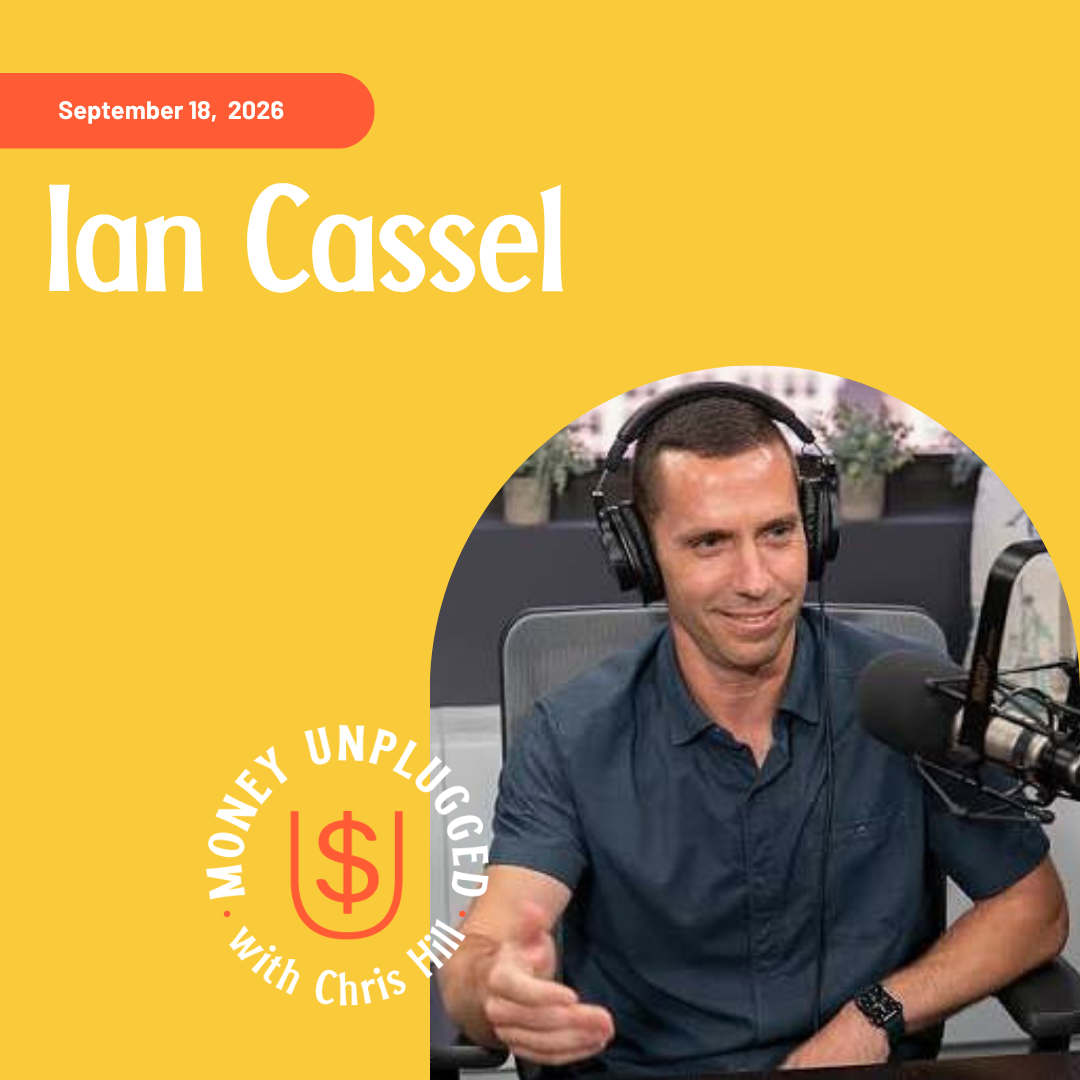
Episode 85: Investing Where Wall Street Can’t Look
Ian Cassel invests where almost no one else will: companies too small and too illiquid for Wall Street to touch.
The founder of MicroCapClub sits down with Chris Hill to share what that world actually looks like from the inside, and why he believes it offers individual investors an edge, as well as:
The fake identity he invented at 20 to talk his way into a one-on-one meeting with a public company CEO
What Ian looks for when he goes beyond the financial statements and meets with a company’s management
A purchase he made in the depths of the 2009 crash that he still thinks about
His dad's simple rule about charitable giving that took him a decade to understand
Check out Ian’s new book Stock Picker: How to develop the mindset, temperament, and strategy to outperform Wall Street
-
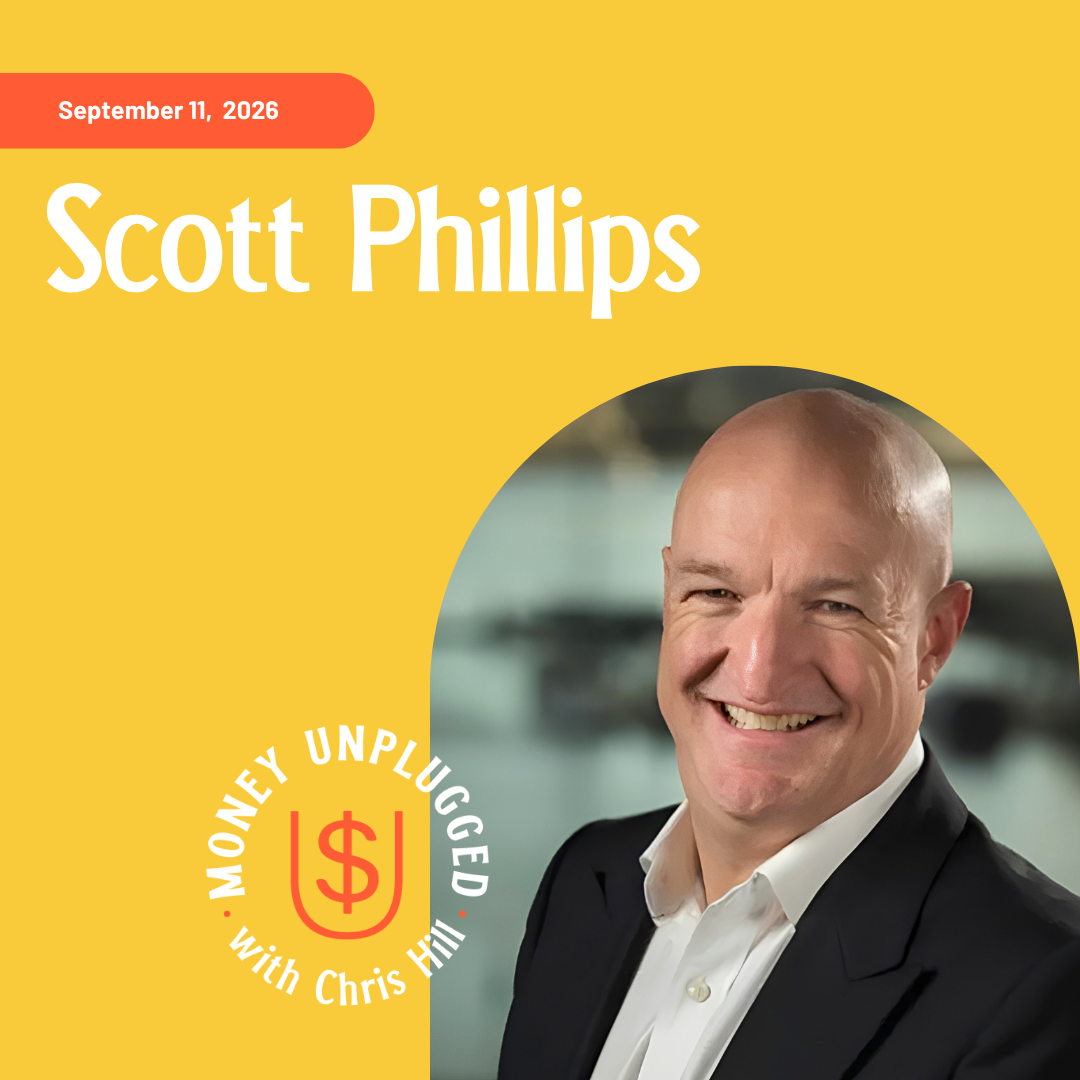
Episode 84: The $2 Million Car Mistake
Scott Phillips is the Chief Investment Officer of Motley Fool Australia, host of the podcast Motley Fool Money, and author of the new book The One-Page Investing Plan.
He talks with Chris Hill about how his childhood money habits were shaped by his dad's labeled tobacco tins, and a financial decision in his 20s that still stings, as well as:The pay cut he took to become a professional investor
A decision he and his wife made to prioritize financial peace of mind over maximizing their wealth
Why the fear of a market crash doesn't get easier with experience
How the movie Wall Street still holds up after nearly 40 years
-
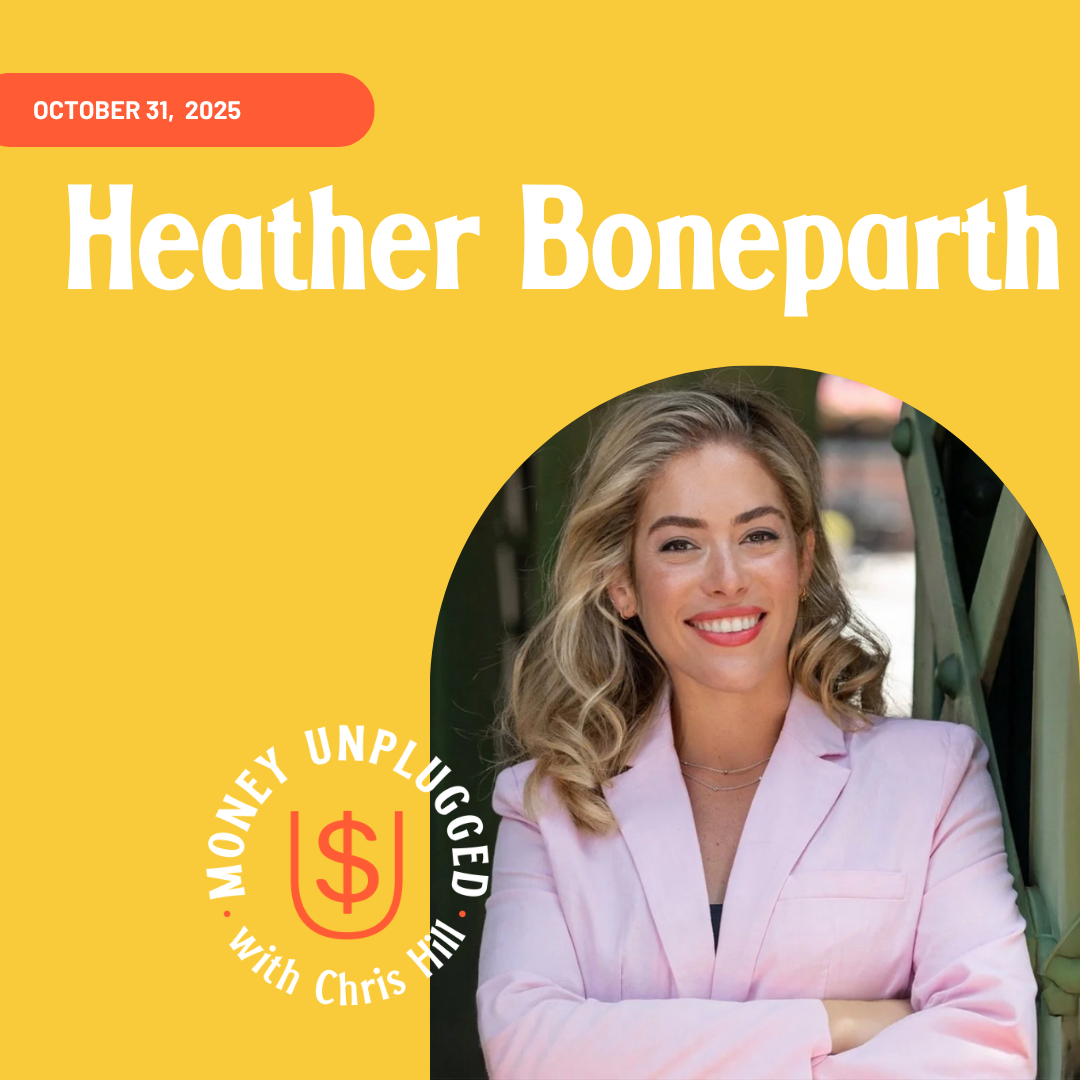
Episode 83: The Most Talked-About Episode of 2025
When Heather Boneparth was eight years old, her grandfather screamed at her for wanting to give money to a homeless man on the side of the road. Years later, on his deathbed, his parting words to her were "all that matters in this world is your blood and your money."
In a rerun of this fan-favorite episode, Heather (attorney and director of business & legal affairs at Bone Fide Wealth) opens up to Chris Hill about the money lessons she’s spent her adult life trying to unlearn, as well as:The importance of sticking your neck out for people
An event that made her feel back in control of her financial life
Why interviewing relationship experts for her book felt like "two hours of free therapy"
The best TV series about money
Check out Heather's book Money Together.
-
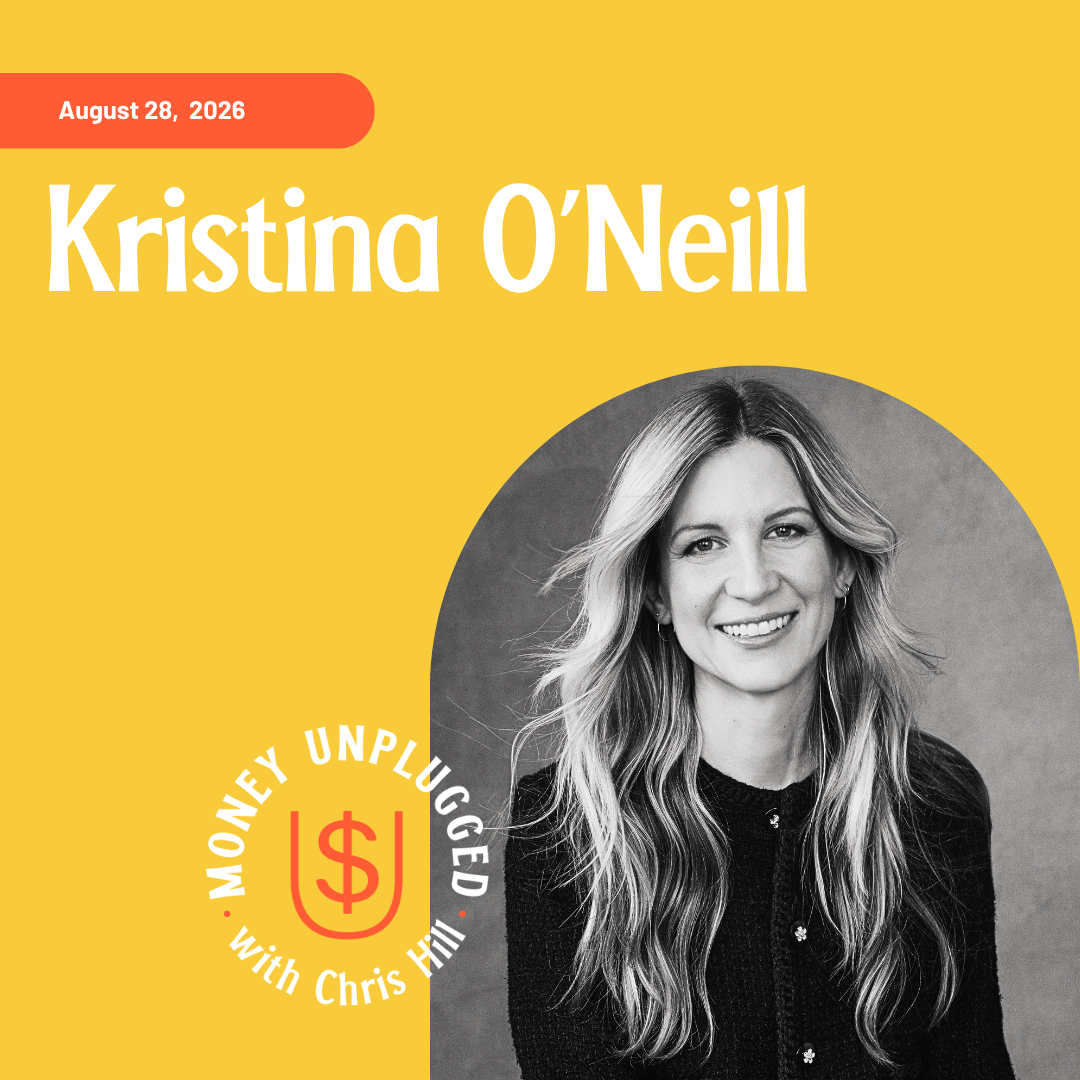
Episode 82: Getting Fired at the Top of Your Game
Kristina O'Neill spent more than a decade at The Wall Street Journal, ultimately becoming editor-in-chief of WSJ. Magazine. Then, in 2023, she got fired.
The financial implications were immediate: a severance cushion, but no guarantee of what would come next in a media industry with few opportunities at her level.
Instead, she and Laura Brown turned the experience into the bestselling book All the Cool Girls Get Fired, and a podcast built on the same premise. Kristina talks with Chris Hill about:A childhood shopping trip that still shapes how she spends money as an adult
The “unicorn” college she couldn’t resist
Why she decided to stop hiding the fact that she got fired
The money lesson she learned from covering the luxury industry
-
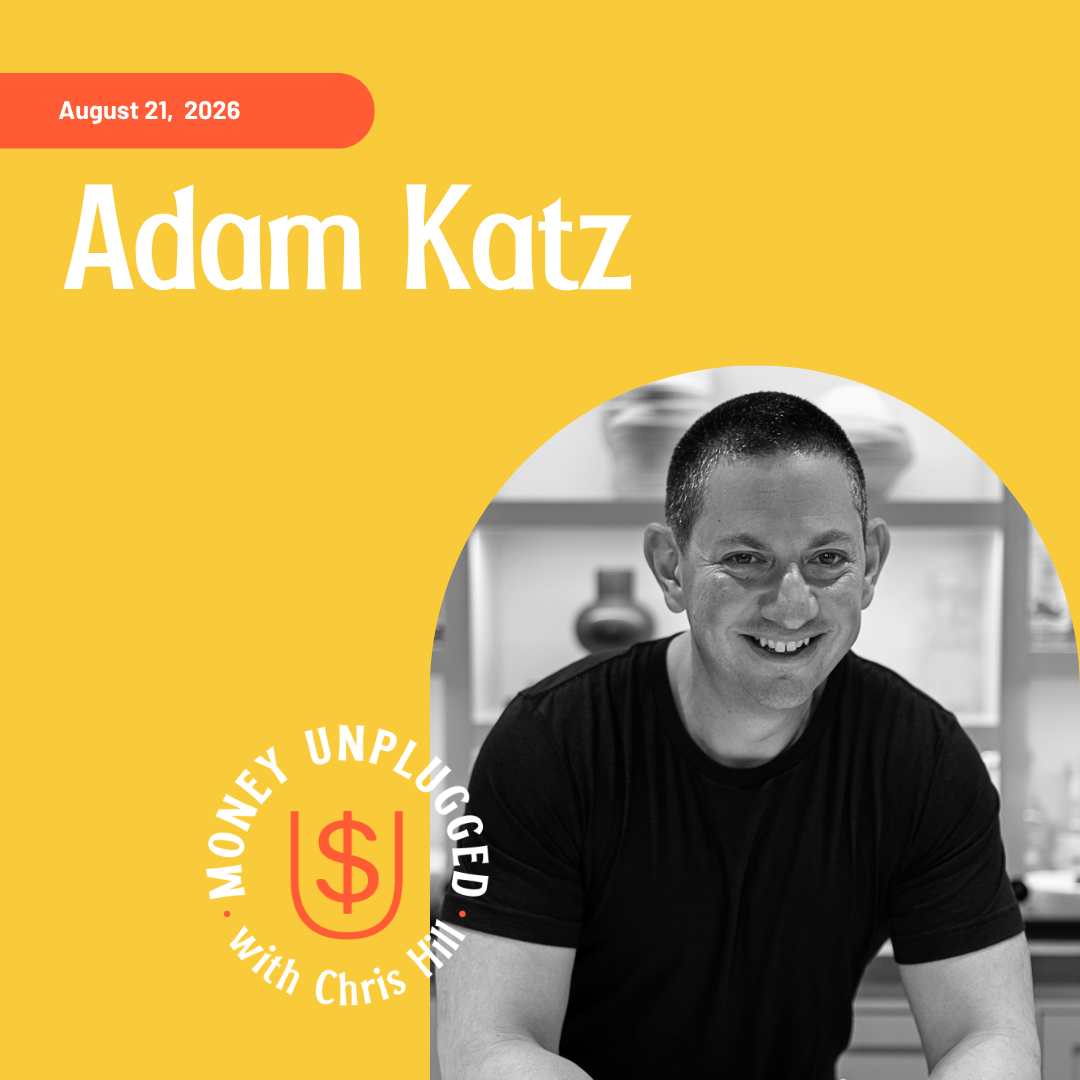
Episode 81: The “Three-Digit Rule” of Wealth
What happens when you have so much money that you stop thinking about the dollars—and start thinking about the zeros?
Adam Katz spent two decades in financial services, then went through a major wealth-creation event of his own. Now he helps people rethink their relationship with money, using ideas including what he calls the "Three-Digit Rule."Adam talks with Chris Hill about:
A surprising way his childhood shaped his relationship with money
What he learned on his way to winning a state arm-wrestling championship
What the movie Brewster’s Millions can teach us about the surprising challenge of spending
The benefits of practicing "random acts of daily financial kindness"
-
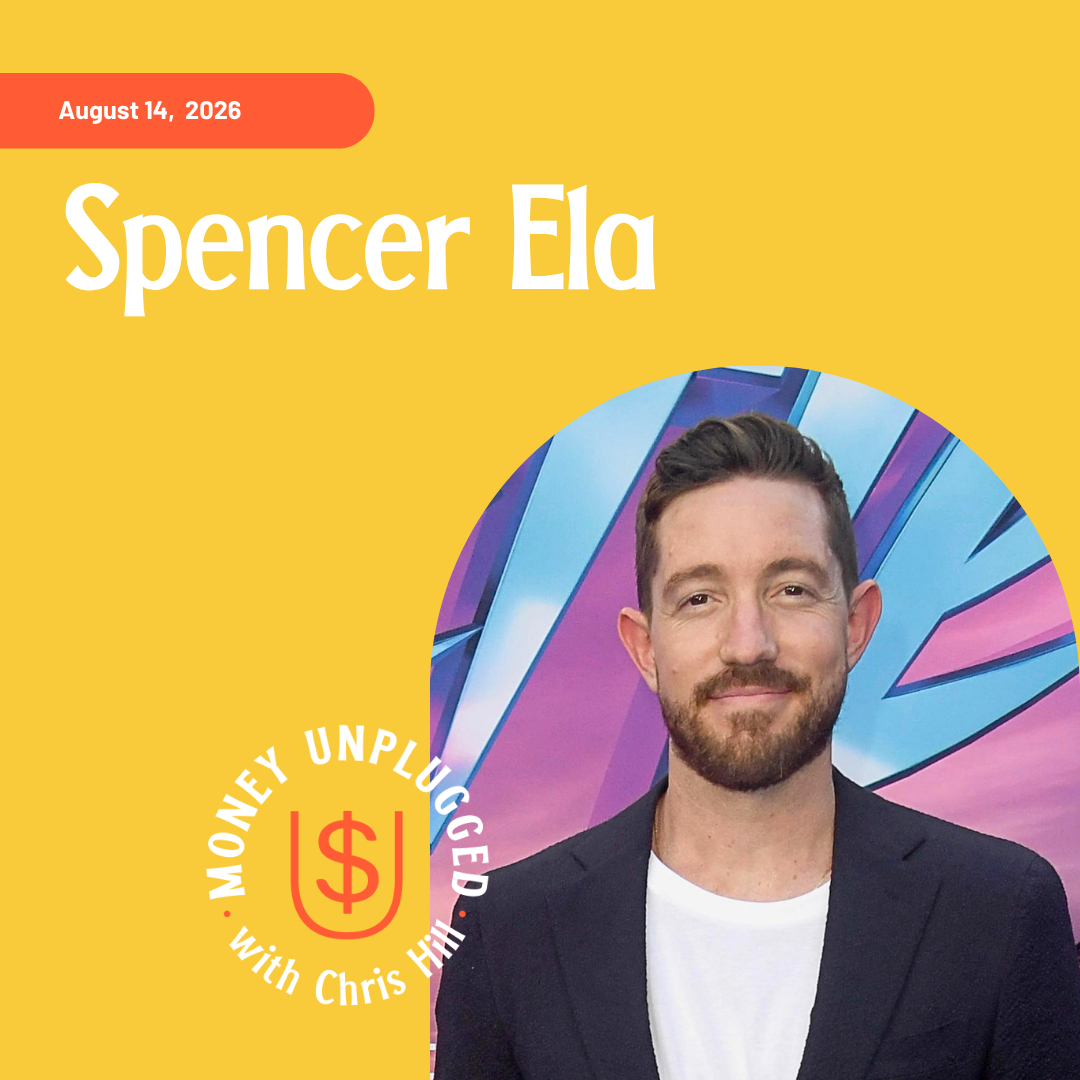
Episode 80: He Quit Banking to Make Movies. Now He’s a Miramax Executive
Spencer Ela had a steady job at a bank and a clear path to management. Then he quit — with no job lined up — to try to make it in Hollywood, an industry where (despite growing up in LA) he knew almost no one.
Today, he's a senior vice president at Miramax — the studio behind Pulp Fiction, Good Will Hunting, and No Country for Old Men.
Spencer talks with Chris Hill about that leap, what his parents thought, and the surprisingly strange economics of moviemaking once you're on the inside.Why a $100 million movie might actually cost a studio only $50 million
How a movie can keep making money for decades after it leaves theaters
The BMW leases that Spencer now wishes he'd traded for NVIDIA stock
-
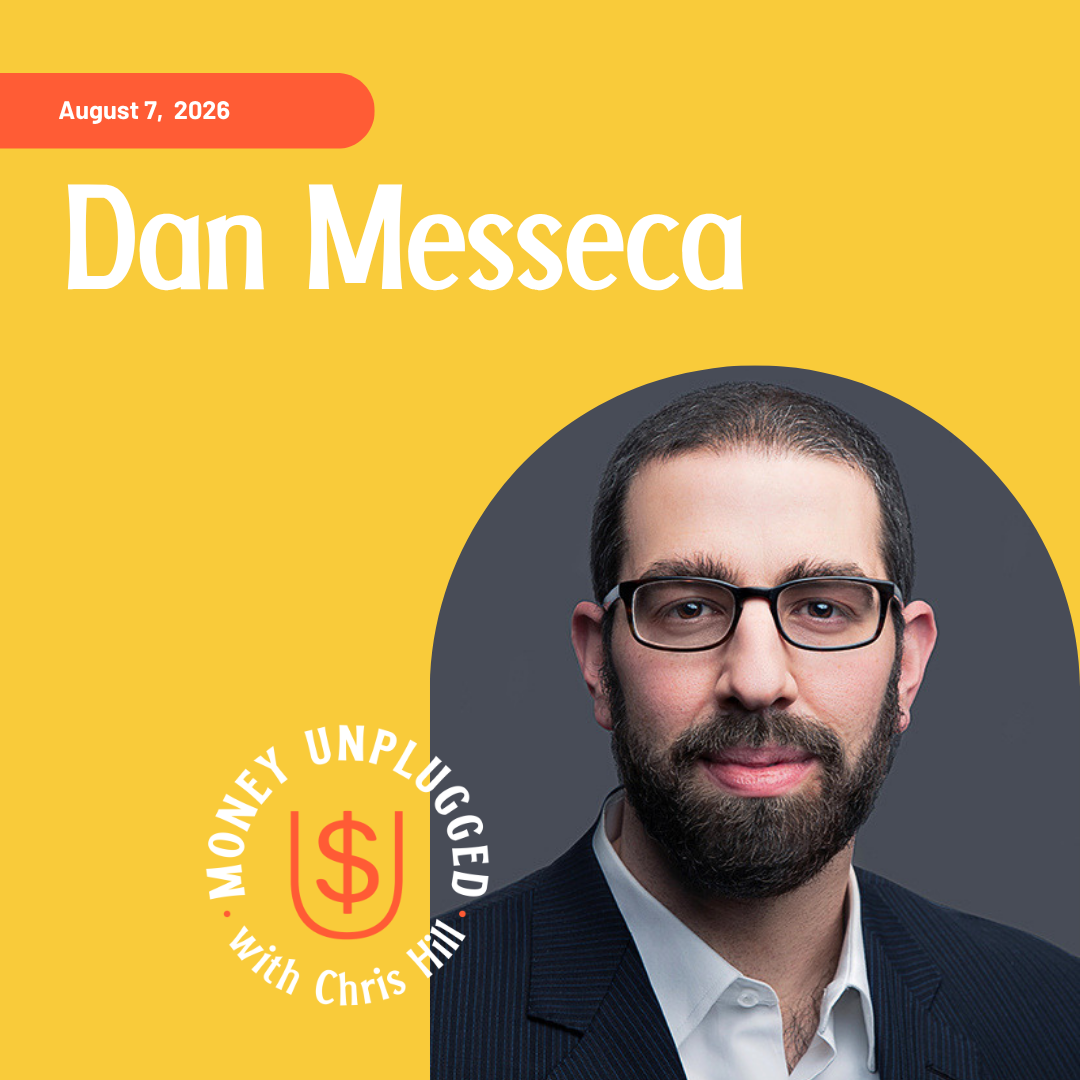
Episode 79: From Bank Merger Chaos to Brewing Beer
Some of the best money lessons don't come from a textbook. They come from watching an institution fall apart—or making an expensive mistake of your own.
Dan Messeca, CFP, is the co-founder of Craftwork Capital and co-host of the podcast Check Your Balances.He talks with Chris Hill about watching the Wells Fargo–Wachovia merger from the inside and co-founding Crooked Crab Brewing with two friends. They also discuss:
An unusual first job he had as a teenager
Starting his finance career as the 2008 financial crisis was reshaping the industry
The five-figure mistakes he and his partners made while building a brewery
His father’s unforgettable advice in four simple words
-
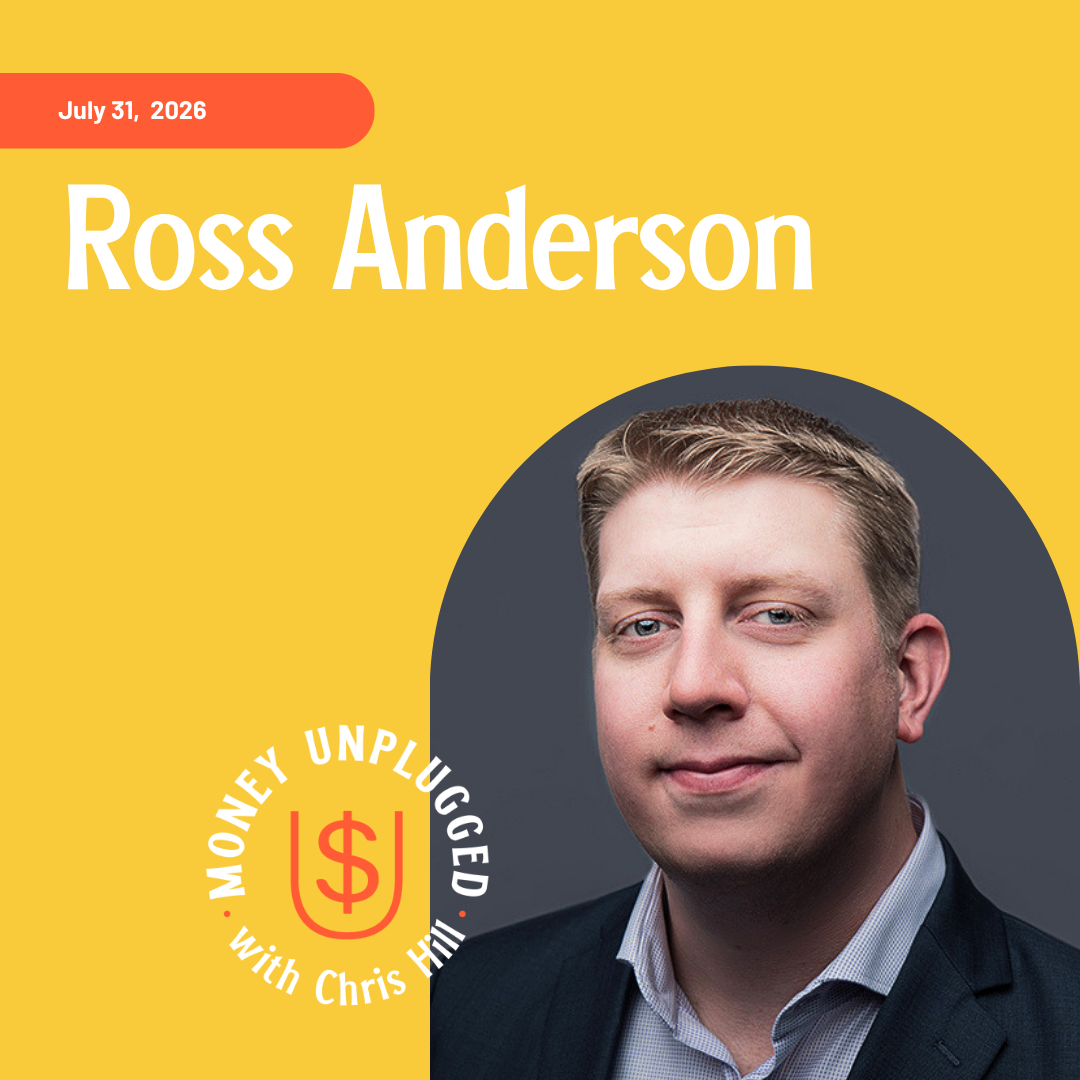
Episode 78: Why Money Fights Aren’t Really About Money
Couples rarely argue about dollars and cents. More often, they're arguing about security, freedom, priorities, and the future they want to build together.
Ross Anderson, CFP, is the co-founder of Craftwork Capital and co-host of the podcast Check Your Balances. He talks with Chris Hill about growing up in a family of entrepreneurs, what it’s like sitting across from couples who are miles apart on money, and how digging himself out of debt changed the way he thinks about money. They also discuss:Why he couldn’t wait to get his first job at 14
Entering the financial industry at exactly the wrong time
The innocent budgeting question that raises a red flag
How Together We Bake is changing lives—one cookie at a time
-
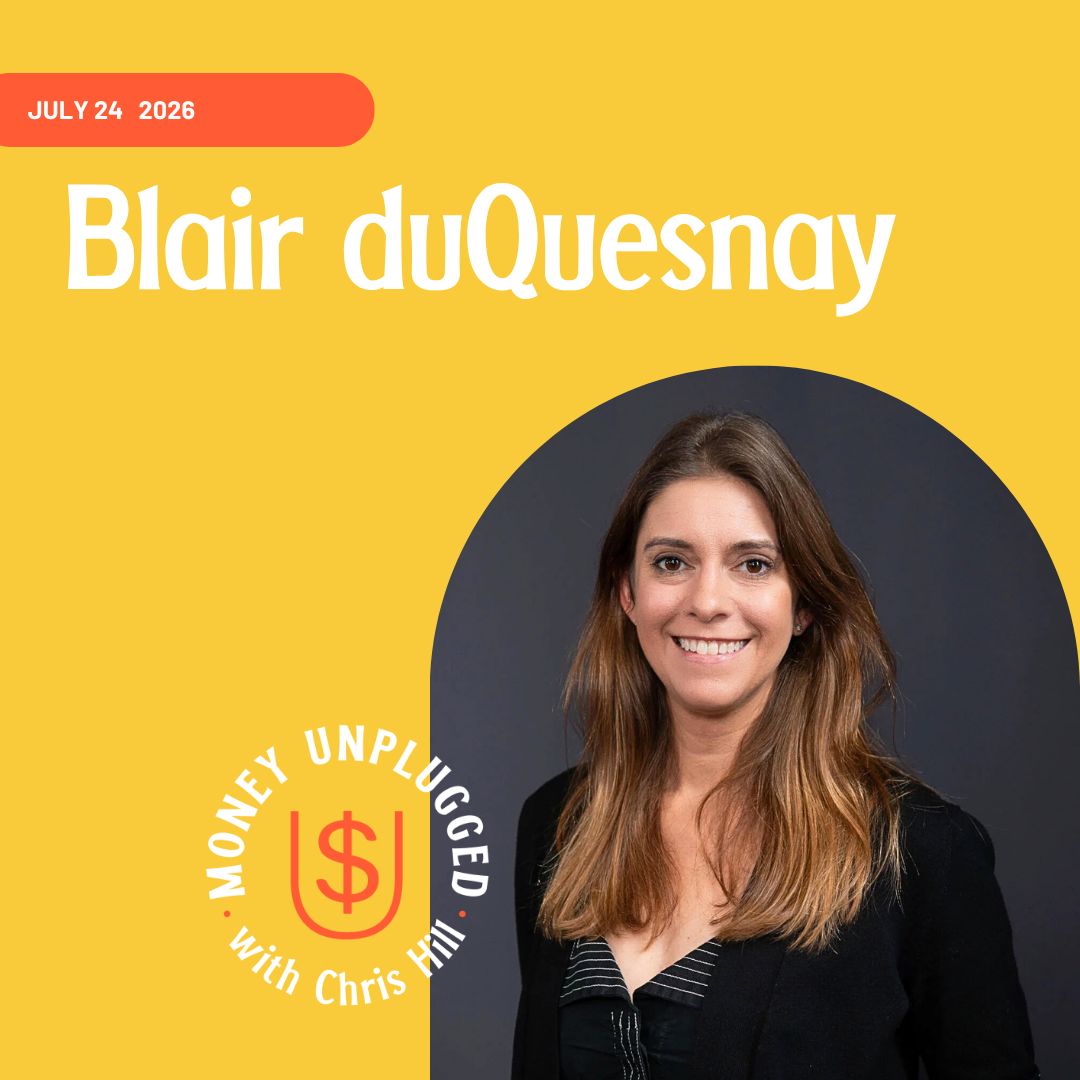
Episode 77: More Money, More Problems-What Ultra-Wealthy Clients Actually Worry About
We think about wealth as a finish line — hit your number and the anxiety stops. Blair duQuesnay, a financial advisor at Ritholtz Wealth Management, says it's almost never that simple.
Her clients (ultra-high-net-worth families) aren't worried about running out of money. They're worried about screwing it up.
Blair talks with Chris Hill about growing up in a Southern family where money was never really discussed, transferring colleges to study finance (after starting as a dance major), and writing The Belle Curve, her newsletter on money, markets, and wealth, as well as:
Having a front-row seat to the 2008 financial crisis while working in an office right next to Lehman Brothers
Starting her own RIA and having to wait tables to make ends meet
What she wishes she had understood about risk earlier in her career
The $400 phone call she would like to take back
-
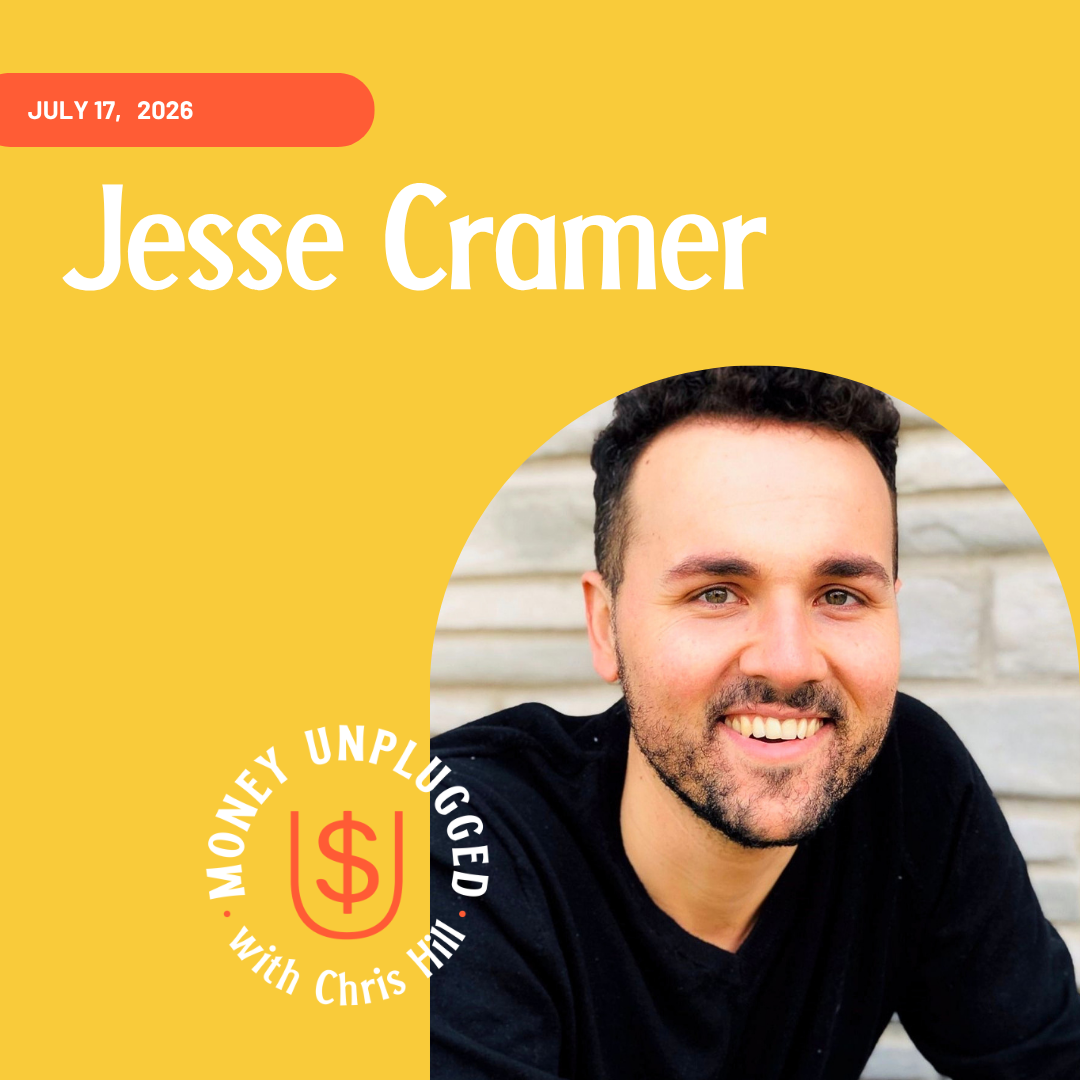
Episode 76: The $11,000 Moment That Changed His Career
Jesse Cramer had two engineering degrees and a stable, well-paying career designing hardware for an aerospace company. Then one day, about six months into his first job out of college, he looked at his 401(k) statement and saw $11,000 sitting there. That single moment sparked an interest in investing and compound interest that eventually pulled him out of engineering altogether and into a career managing other people's money.
Jesse talks with Chris Hill about:Why he kept a full-time engineering career for years after that moment
Starting a finance blog after colleagues kept asking him 401(k) questions at work
What surprised him most about managing real money for clients versus just writing about it
The hot tub purchase he still regrets and what it taught him
-
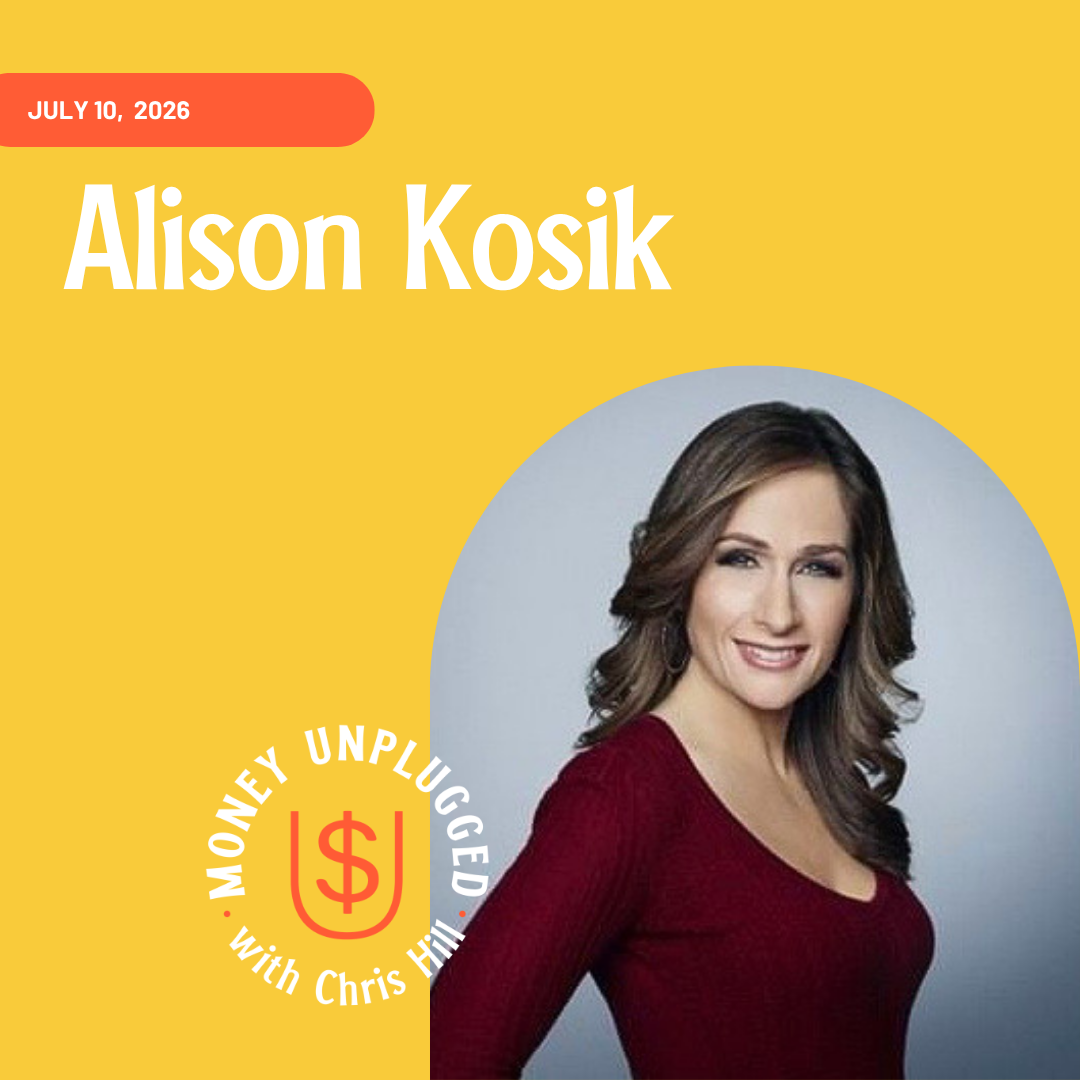
Episode 75: She Reported on Wall Street—but Was Afraid to Invest
Alison Kosik spent years reporting live from the floor of the New York Stock Exchange for CNN—and for most of that time, she wasn't investing a dollar of her own money. She could explain the market to millions of viewers, but couldn't bring herself to trust herself with her own finances.
Alison talks with Chris Hill about:How her parents' fights about money affected her financial confidence as an adult
Taking a $13,000-a-year TV job in Corpus Christi and sleeping on a piece of foam to pursue her journalism career
The divorce that finally pushed her to start investing with confidence
Why she didn't truly believe in the power of compounding until recently
Check out Alison's book, What's Up With Women and Money? How to Do All the Financial Stuff You've Been Avoiding, wherever books are sold.
-

Episode 74: The Smartest Bet I Made All Night
We all outsource some part of our financial life — taxes, investments, retirement contributions, etc. But it turns out you can outsource the small stuff too! Even if that means leaning on the person sitting next to you at a blackjack table.
In this holiday weekend solo episode, Chris Hill covers:
A favor to ask of you — why do you listen to Money Unplugged, and what do you get out of it? (Email: info@moneyunpluggedpod.com)
One thing every guest on this show, every Marvel superhero, and even America itself have in common
What two very experienced friends taught him about knowing when to ask for help
-
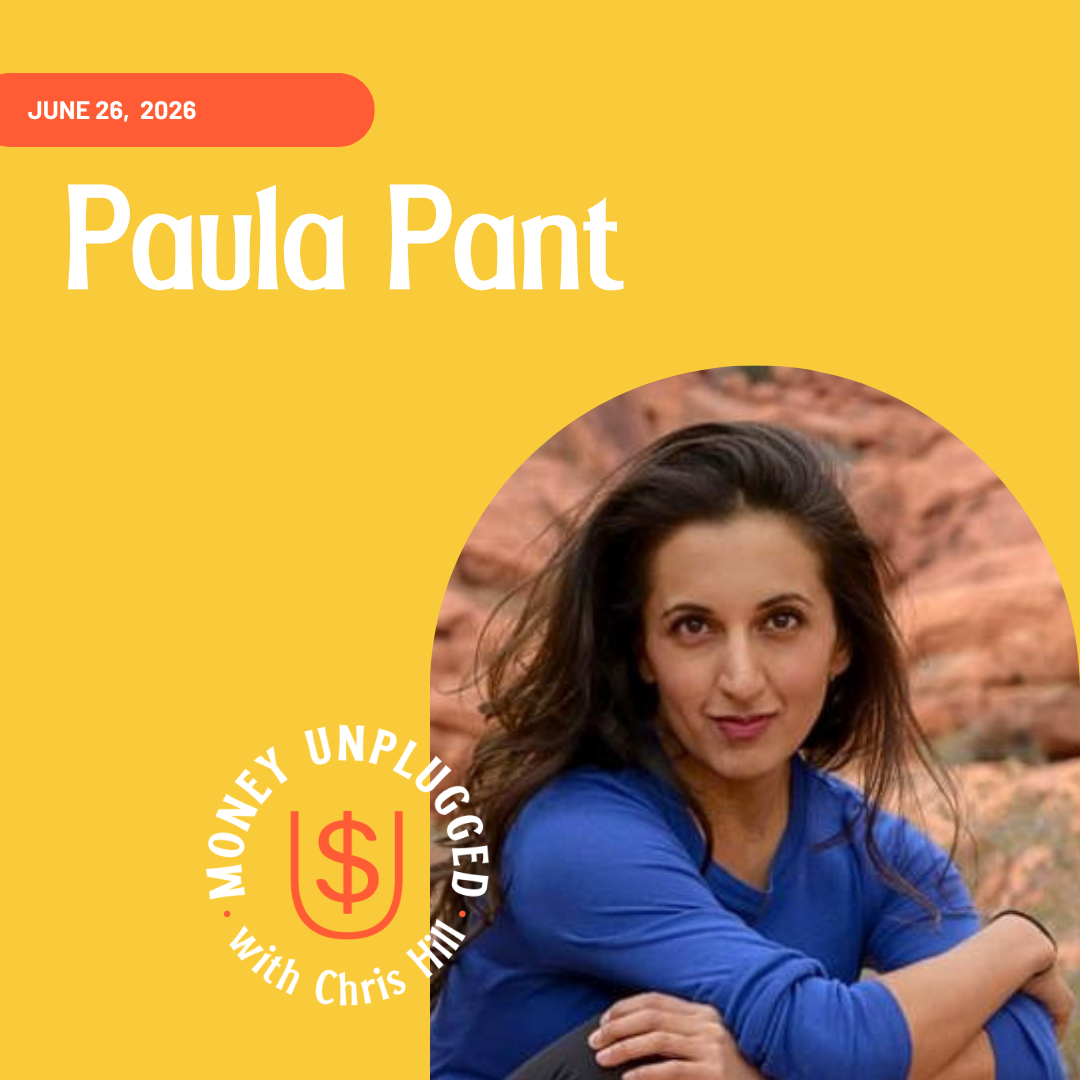
Episode 73: What Your Time Is Actually Worth
Paula Pant grew up watching her mother spend six hours going between four different grocery stores, coupons sorted by location, all to save a few dollars on milk and bread. Frugality wasn't a choice in the Pant household — it was the operating system. It took years for her to realize that nobody had ever asked what all that time was actually worth.
Host of the popular podcast Afford Anything, Paula talks with Chris Hill about that early lesson and how she unlearned it, as well as:
How getting rejected by Taco Bell at 15 led to a career in journalism (eventually)
Why frugality can be its own trap
What freelancing taught her about the real relationship between time and money
Her framework for building wealth, and why mindset comes before tactics
-
Episode 72: The Financial Advisor Who Needed a Financial Advisor (Part 2)
Joe Saul-Sehy co-hosts Stacking Benjamins, one of the most popular personal finance podcasts in the world. But before that, he was a financial advisor with a secret — and a marriage the secret was about to put to the test.
In the conclusion of his two-part conversation with Chris Hill, he shares:
What he was hiding from his wife when they got married — and how long it took him to come clean
- A phone call with the IRS that flipped his entire relationship with debtHow a CPA with the heart of a teacher became the person who finally helped him understand his own finances
One habit that changed how he thinks about spending forever
-
Episode 71: What Nobody Told Me About Money (Part 1)
Joe Saul-Sehy is the co-host of Stacking Benjamins, one of the most downloaded personal finance podcasts in the world — but long before he was giving financial advice to millions of listeners, he was making every money mistake in the book.
In this first of a two-part conversation with Chris Hill, Joe traces the roots of his complicated relationship with money, from a childhood defined by financial silence to the early adult mistakes that shaped everything that came after.
- What a Huffy bike taught him about emergency funds (before he knew what an emergency fund was)The moment a letter from American Express changed everything
Why the most important money lesson he ever received had nothing to do with money
The decision that turned a successful financial advisor into a podcaster — and what it cost him to get there
-
Episode 70: The Financial Journalist Who Ignored the Markets
John Wordock spent decades working for the biggest names in financial journalism — Bloomberg, CBS MarketWatch, The Wall Street Journal, Dow Jones. He interviewed Jack Bogle, and Mike Bloomberg personally sent him to Washington DC to build a broadcast bureau.
John knew everyone worth knowing in the world of money. And then he put his savings in index funds and stopped thinking about it. Chris Hill sits down with John to find out what three decades inside financial news actually taught him about his own relationship with money, as well as:
How his money story began in blue-collar Maine
Why knowing all the right people made him less likely to tinker with his portfolio
How he and his wife, both journalists, built a financially independent life and sent three kids to college without student loan debt
The one purchase he still regrets (due to terrible Bluetooth)
-
Episode 69: Make Peace with Money
Hannah Cole grew up watching her father, a successful architect, call family meetings at the dinner table whenever the economy turned. Belt-tightening conversations. No explanation of how bad things actually were. Just anxiety, and a dad in a bad mood.
Cole spent her early career as far from the world of money as she could get — a master's degree in painting from Boston University and years as a working artist in New York City. Then reality intervened. And when she finally sat down with an accountant for the first time, he opened the meeting by asking, "So when are you gonna get a real job?"
That question changed everything.
Today she's a tax expert, the founder of Sunlight Tax, financial education firm built specifically for creative people, and the author of Taxes For Humans. She talks with Chris Hill about:Why the feast-or-famine reality of artist life turns out to be one of the best teachers of financial discipline
The two competing messages she received growing up about money and passion
What it actually means to make peace with money
How reality TV can be a counterintuitive teacher of good money habits
-
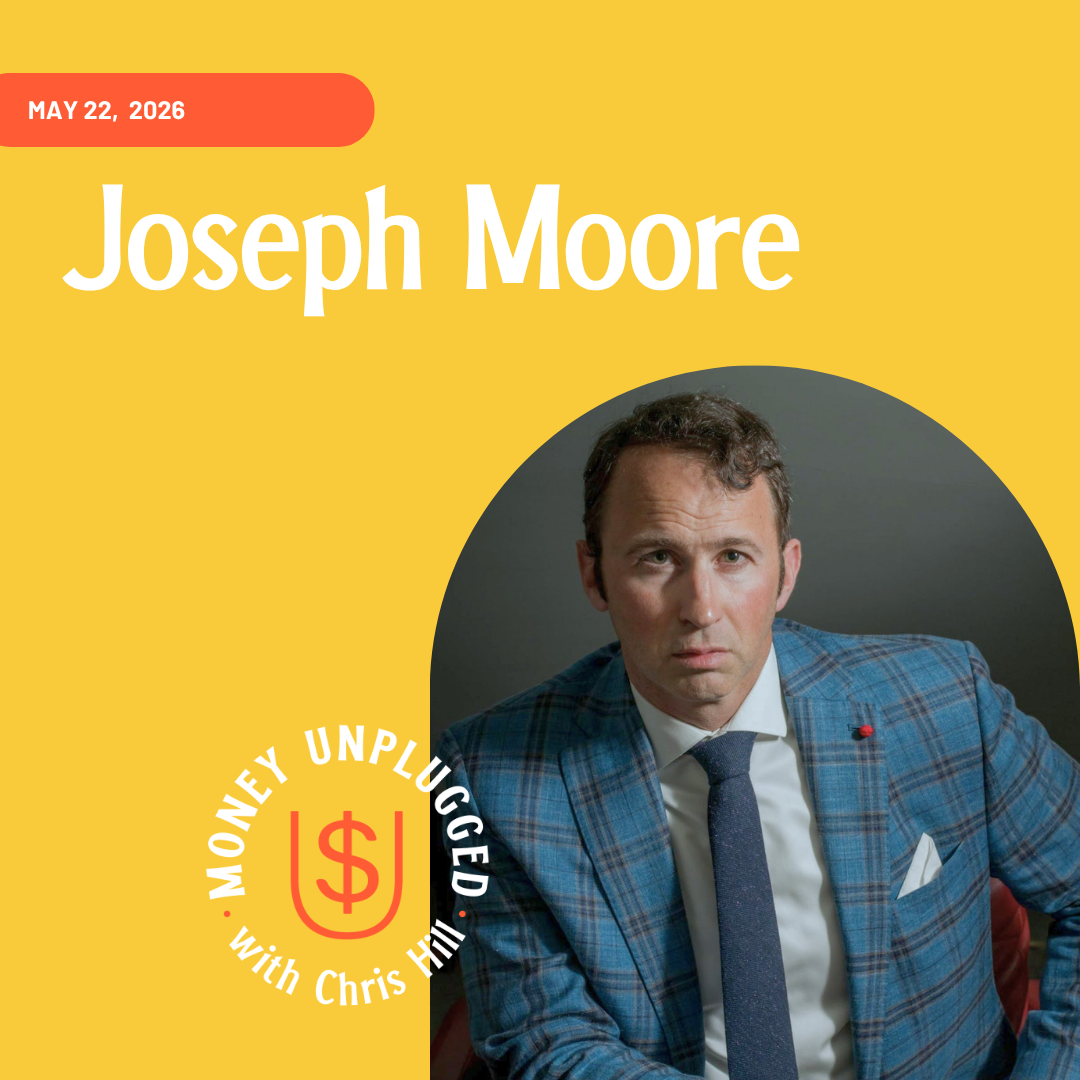
Episode 68: From $19,000 a Year to Financial Freedom
Joseph Moore grew up in rural South Carolina, the son of an electrician who worked during the day and went to school at night. Money wasn't discussed in his house (there wasn't enough of it to make conversation).
Today, Moore is a historian and author of the national bestseller How to Get Rich in American History: 300 Years of Financial Advice That Worked (& Didn’t) who achieved financial freedom in his mid-40s. But the path there was anything but straight: a detour through seminary, a near-financial disaster in 2008, and a decade spent asking the question that would define his career — where does our financial advice actually come from? Chris Hill talks with him about:The $56.56 mortgage payment that haunted his grandfather and shaped Moore's relationship with debt
Why developing a "peasant mentality" about money is not all bad
How marriage, more than almost anything else, predicts financial success
What the animated movie Ratatouille gets right about wealth and talent
-
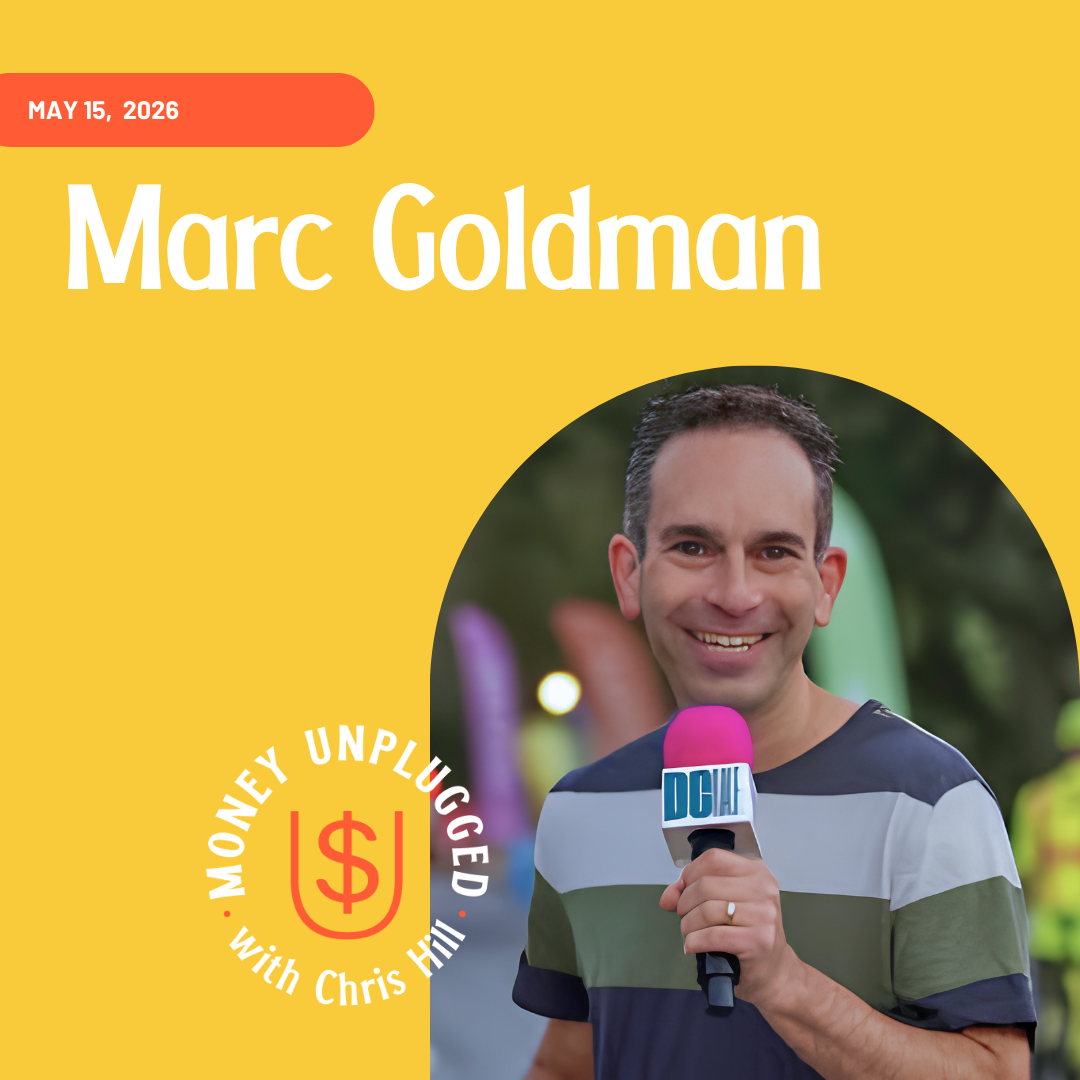
Episode 67: Betting on Yourself: The Financial Reality of Going Solo
For nearly two decades, Marc Goldman was the voice of the Marine Corps Marathon — running marketing, communications, and sponsorships for one of the most prestigious road races in America. Five years ago, he walked away from that stability to launch Event Voice, his own announcing and event strategy business. In this conversation, Marc and Chris Hill explore:
Why the pandemic became the catalyst for a career leap Marc had been quietly building toward for years
How he thought through the financial reality of trading a steady paycheck for the uncertainty of solo entrepreneurship
A money philosophy he and his wife established on their 1st date
The way "Die With Zero" by Bill Perkins changed how he thinks about saving, spending, and the purpose of money
What it's like to announce the Berkshire Hathaway 5K in Omaha, where runners arrive from every corner of the world united by their faith in Warren Buffett
-
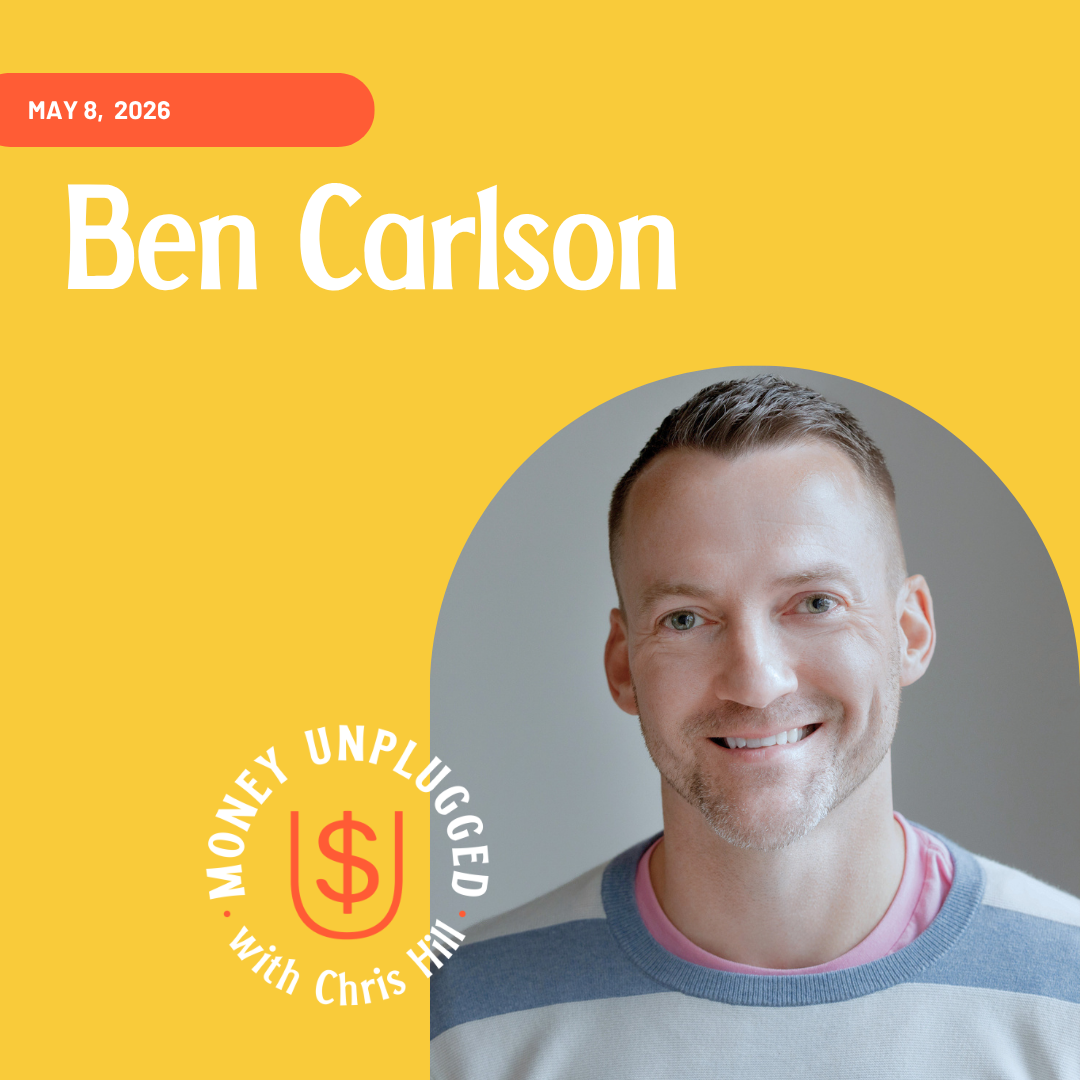
Episode 66: Why Less is More in Investing and Life
Ben Carlson has a simple philosophy when it comes to money — and life: less is more. He writes it in every book he signs. It sounds obvious, but most people never actually live it.
He’s the co-host of Animal Spirits and author of the brand-new book, Risk and Reward: How to Handle Market Volatility and Build Long-Term Wealth.
Chris Hill talks with Ben about:The lesson his late brother Jon taught him about risk and money
Growing up in Michigan with frugal parents and a dad whose only financial advice was "never carry a credit card balance"
What it was like to sit in the room during the 2008 financial crisis and watch the smartest people he'd ever met choose fear over opportunity
Why he gave his wife a PowerPoint presentation about investing before they got married — and how far she let him get
-
Episode 65: The Hardest Money Skill Nobody Talks About
Dan Caplinger has spent most of his career helping people understand money — first as a tax and estate planning attorney, then as a longtime writer at The Motley Fool.
But the financial lessons that shaped him most started long before any of that: skipping school lunch to save a few dollars, counting coin rolls with his mom, and learning the hard way that a $60 Pac-Man game isn't what a nine-year-old thinks it is. Chris Hill talks with Dan about:
What the billable-hours model of law firms taught him about misaligned incentives
How he and his wife structured their finances before getting married
One change he would make to the US tax code
The money lesson he wishes he'd learned at 19